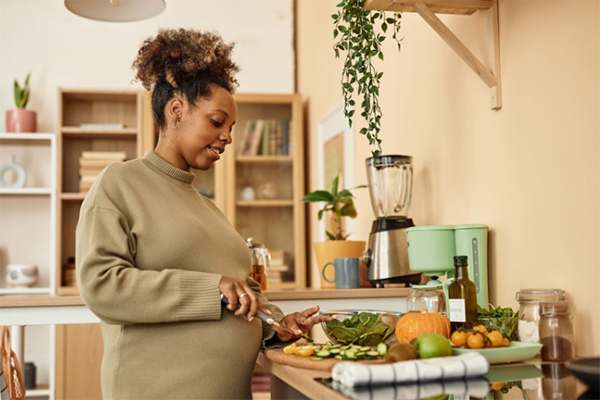
Can the food on your plate influence your fertility journey? During National Nutrition Month, many hopeful parents wonder whether choosing organic foods can truly support conception and IVF success. Explore how reducing pesticide exposure, boosting antioxidants, and making realistic, sustainable nutrition changes may help create a healthier environment for pregnancy.
How Pesticide Exposure May Affect Fertility Treatment Outcomes
The primary argument for choosing organic foods revolves around reducing exposure to synthetic pesticides. Research indicates that high pesticide residue on fruits and vegetables may negatively influence fertility parameters.1 For women, significant exposure often correlates with lower rates of clinical pregnancy and live births following assisted reproductive technology. For men, these chemicals sometimes impair sperm quality and concentration.
The Role of Antioxidants in Fertility and Reproductive Health
While the macronutrient profile of organic and conventional crops remains similar, organic farming often results in higher antioxidant concentrations. Antioxidants play a vital role in protecting oocytes and sperm from oxidative stress. Since egg quality is a cornerstone of successful conception, fueling your body with nutrient-dense, chemical-free fuel supports the cellular environment. A diet rich in organic leafy greens, berries, and healthy fats provides the follicular fluid with the essential building blocks needed for healthy embryonic development.
How Food-Based Hormone Disruptors Can Affect Fertility Treatment
Conventional farming often utilizes chemicals that act as endocrine disruptors. These substances mimic or interfere with the body’s natural hormones, potentially throwing the delicate reproductive system out of balance. Minimizing external interference from environmental toxins ensures that your body responds as intended to your prescribed medication protocol. Transitioning to organic dairy and grass-fed meats also reduces exposure to added growth hormones.
Balancing Practicality and Wellness
Adopting a clean eating lifestyle does not require an all-or-nothing approach. If a 100% organic diet creates financial or emotional stress, focus on the most impactful changes first. Wash all produce thoroughly and prioritize organic choices for thin-skinned items like strawberries and spinach. The goal involves creating a sustainable, anti-inflammatory environment that supports your reproductive goals without adding unnecessary anxiety to your daily routine.
Nutrition is a powerful tool in your fertility toolkit. While diet alone does not replace medical intervention, it creates a robust foundation for the work we do in the lab. If you want to optimize your nutritional status as part of a comprehensive fertility plan, a personalized consultation can help align your lifestyle with your clinical needs.
Frequently Asked Questions (FAQs)
Does eating organic really improve fertility outcomes?
Research suggests that reducing exposure to certain pesticides and environmental toxins may support reproductive health, particularly during assisted reproductive treatments. While an organic diet alone cannot guarantee pregnancy, it may help create a healthier internal environment that complements medical fertility care.
Which foods should I prioritize buying organic?
If fully organic eating is not practical, focus on produce that tends to carry higher pesticide residue, especially thin-skinned fruits and leafy greens such as strawberries, spinach, apples, and berries. Organic dairy, eggs, and meats may also reduce exposure to added hormones and chemicals.
Are organic and conventional foods nutritionally different?
Macronutrient content is generally similar, but some studies show higher antioxidant levels in organically grown produce. Antioxidants help protect eggs and sperm from oxidative stress, which plays an important role in reproductive health and embryo development.
Can diet alone improve my chances of conception?
Nutrition is an important supportive factor, but it does not replace fertility treatment or medical evaluation. A balanced, anti-inflammatory diet works best when combined with appropriate medical care, healthy lifestyle habits, and individualized treatment planning.
What if eating fully organic is too expensive or stressful?
Fertility nutrition should be sustainable, not overwhelming. Even small changes, like washing produce thoroughly, prioritizing key organic items, and reducing highly processed foods, can support overall reproductive wellness without creating financial or emotional strain.
Are there specific nutrients that support fertility?
Yes. Nutrients such as folate, omega-3 fatty acids, vitamin D, iron, zinc, and antioxidants (including vitamins C and E) all contribute to hormone balance, egg and sperm quality, and early embryonic development. A fertility-focused nutrition plan often emphasizes whole foods rich in these nutrients.
Should my partner also follow a clean-eating plan?
Absolutely. Male fertility plays a significant role in conception. Reducing toxin exposure, improving antioxidant intake, and maintaining a balanced diet can support sperm quality, motility, and overall reproductive health.
When should I talk to a specialist about fertility nutrition?
If you are preparing for fertility treatment, have been trying to conceive without success, or want to optimize your health before pregnancy, a consultation with a fertility specialist or registered dietitian can help create a personalized nutrition strategy aligned with your treatment plan.
Hear From Our Patients
We invite you to explore our patient testimonials to better understand how thoughtful counseling and individualized fertility care can support your journey toward parenthood.
Reference:
AUTHOR: Anil Pinto, MD - Obstetrician & Gynecologist
Anil Pinto, MD is board-certified in Obstetrics and Gynecology with a subspecialty in Reproductive Endocrinology and Infertility. Dr. Pinto has a special interest in the treatment of Polycystic Ovarian Syndrome (PCOS), recurrent pregnancy loss, and advanced reproductive technologies, such as IVF. Dr. Pinto practices at ReproMed Fertility Center, which includes four convenient locations across Dallas and Tyler, Texas.
Credentials & Recognition
Dr. Pinto completed a comprehensive three-year fellowship in reproductive endocrinology and infertility at Washington University School of Medicine in St. Louis, Missouri. He is affiliated with Baylor University Medical Center in Dallas and Baylor Regional Medical Center and serves as a Clinical Assistant Professor of Obstetrics and Gynecology at the University of Texas Southwestern School of Medicine. Actively involved in research, he has published in peer-reviewed journals, lectures frequently on reproductive endocrinology, and has received multiple teaching awards. His peers have recognized him as one of the Best Doctors in Dallas in reproductive endocrinology and infertility.
Clinical Expertise
Dr. Pinto specializes in the evaluation and treatment of infertility, including polycystic ovarian syndrome (PCOS), recurrent pregnancy loss, and advanced reproductive technologies such as in vitro fertilization (IVF). His approach combines compassionate care with the latest reproductive science to support successful outcomes and long-term reproductive health.
Medical Disclaimer: This information is for educational purposes only and does not constitute medical advice. For diagnosis and treatment recommendations, please consult with Dr. Pinto or another qualified obstetrician and gynecologist at ReproMed Fertility Center.
Content authored by Dr. Anil Pinto and verified against official sources.