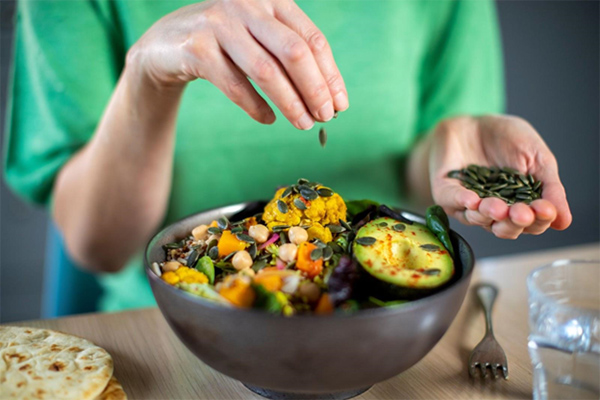
Many women with polycystic ovary syndrome (PCOS) search for natural ways to support hormone balance. Seed cycling has gained attention in wellness circles for its simplicity. The practice involves rotating seeds like flax, pumpkin, sunflower, and sesame. But does it actually work? This blog explores the available science and explains where caution is necessary.
What is Seed Cycling?
Seed cycling means eating specific seeds during different phases of the menstrual cycle. Women consume flax and pumpkin seeds during the follicular phase, which lasts from day one of the cycle to ovulation. They then eat sunflower and sesame seeds during the luteal phase, which runs from ovulation to menstruation. Supporters believe the nutrients in these seeds can influence estrogen and progesterone levels.
The Appeal for Women with PCOS
PCOS often causes irregular cycles, so many women seek methods to help regulate hormones. Supporters of seed cycling claim it promotes regular ovulation, reduces PMS symptoms, and improves skin and hair health. These seeds contain healthy fats, fiber, lignans, and micronutrients that contribute to overall well-being. For women who want a gentle dietary approach, this method can feel attractive.
The Science Behind Seed Cycling
Scientific research on seed cycling remains limited. Studies show that individual seeds offer health benefits. For example, flax seeds may improve PCOS symptoms, and pumpkin seeds provide valuable minerals.1 However, no clinical trials confirm that rotating seeds according to the menstrual cycle can directly treat PCOS or regulate hormones.
Adding seeds to a balanced diet can still support overall wellness. Fiber can help manage blood sugar, healthy fats can reduce inflammation, and micronutrients such as zinc and magnesium play important roles in reproductive health. These effects may indirectly improve some PCOS symptoms. However, they should not replace proven medical treatments.
Where Seed Cycling Fits in a PCOS Management Plan
If you enjoy eating seeds and want to try seed cycling, you can easily add them to salads, smoothies, or yogurt. Consider seed cycling as a complement to your current plan rather than a cure. Women with PCOS often benefit most from a personalized approach that includes nutrition, exercise, and targeted medical care.
Professional Guidance is Essential
PCOS affects women differently and often has multiple contributing factors. Consulting a reproductive endocrinologist or gynecologist before starting any new dietary plan can help you build a strategy that addresses your specific needs.
If you have questions about PCOS and hormone health, schedule a consultation with Dr. Pinto at ReproMed Fertility Center to discuss your options.
AUTHOR: Dr. Anil Pinto is board-certified in Obstetrics and Gynecology and the subspecialty of Reproductive Endocrinology and Infertility. Dr. Pinto has a special interest in the treatment of Polycystic Ovarian Syndrome (PCOS), recurrent pregnancy loss, and advanced reproductive technologies, such as IVF. Dr. Pinto practices at ReproMed Fertility Center, which includes four convenient locations across Dallas and Tyler, Texas.
Reference:
1. https://nutritionj.biomedcentral.com/articles/10.1186/s12937-020-0524-5