When pursuing pregnancy, people often focus on timing and diet, but a hidden threat to reproductive health lurks in the products we use daily. Synthetic chemicals known as Endocrine-Disrupting Chemicals (EDCs) mimic or interfere with the body's natural hormones, potentially impacting ovulation, sperm health, and overall fertility. Understanding where these compounds hide allows you to take proactive steps to protect your reproductive system. This is how you can identify and minimize your exposure to EDCs during your fertility journey.
Identifying the Major Endocrine Disruptors
EDCs are everywhere. You find them in plastics, cosmetics, food packaging, and even furniture. The most common offenders that research links to reproductive issues are:
- Phthalates: These chemicals make plastics flexible (like in food wraps and vinyl flooring) and help fragrances last longer (in perfumes, lotions, and cleaning products). Exposure links to reduced sperm quality and altered hormone levels in women.
- BPA (Bisphenol A): A chemical used in the lining of many canned foods and in some older or non–BPA-free plastic containers. BPA can act like a hormone in the body, and higher exposure may affect egg quality and make implantation more difficult.
- Parabens: Used as preservatives in a vast range of cosmetics, shampoos, and personal care items. They can mimic estrogen in the body, which may interfere with reproductive signaling.
Detoxifying Your Kitchen and Pantry
Your kitchen is a primary area for potential EDC exposure, largely due to food storage and packaging. You can easily reduce this risk:
- Ditch the Plastic: Stop microwaving food in plastic containers. Heat causes EDCs like BPA and phthalates to leach into your food more readily. Use glass or ceramic instead.
- Prioritize Fresh Food: Reduce your consumption of canned goods, as the lining often contains BPA. Choose fresh or frozen produce whenever possible.
- Choose Stainless Steel and Glass: Store leftovers in glass containers and use stainless steel water bottles instead of plastic ones, even if they claim to be "BPA-free," as they may contain other harmful bisphenols.
Curating Your Personal Care Routine
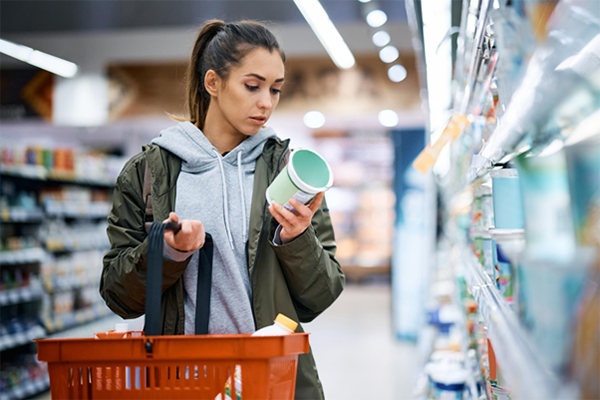
The products you apply directly to your skin and hair offer a direct route for chemicals to enter your bloodstream. Be a label investigator when purchasing cosmetics, soaps, and lotions:
- Opt for "Fragrance-Free": The term "fragrance" or "parfum" on a label is a loophole that often hides a cocktail of phthalates. Choose truly fragrance-free or naturally scented products.
- Avoid Parabens: Look for labels that explicitly state the product is "Paraben-Free." Common paraben names include methylparaben, propylparaben, and butylparaben.
- Use Clean Cleaning Products: Replace harsh, chemically scented household cleaners with natural alternatives, such as vinegar, baking soda, or certified non-toxic brands.
Informed Choices for Optimal Fertility
While eliminating every EDC is impossible in modern life, significantly reducing your exposure during preconception and pregnancy constitutes a meaningful part of a holistic fertility strategy. These small, consistent changes empower you to control your environment and support your body’s natural reproductive processes. If you are struggling to conceive and want to know more about your fertility treatment options and other aspects of your reproductive health, schedule a consultation with our fertility team to create a comprehensive plan.
AUTHOR: Dr. Anil Pinto is board-certified in Obstetrics and Gynecology and the subspecialty of Reproductive Endocrinology and Infertility. Dr. Pinto has a special interest in the treatment of Polycystic Ovarian Syndrome (PCOS), recurrent pregnancy loss, and advanced reproductive technologies, such as IVF. Dr. Pinto practices at ReproMed Fertility Center, which includes four convenient locations across Dallas and Tyler, Texas.