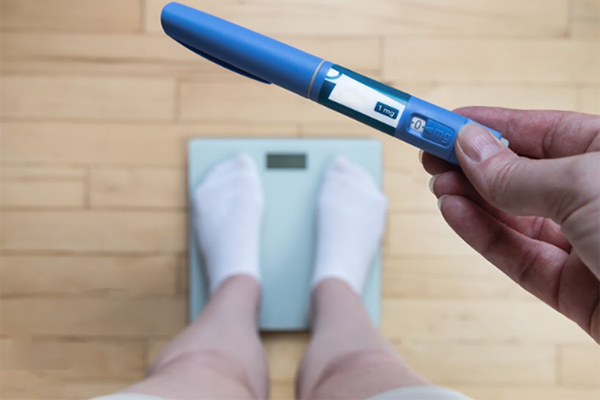
As GLP-1 receptor agonists become increasingly popular for weight loss and metabolic health, many women with polycystic ovary syndrome (PCOS) are exploring their potential benefits. While these medications can help improve insulin sensitivity and support weight management, they are not advised during fertility treatments or when actively trying to conceive. Here’s why stopping GLP-1 therapy before attempting pregnancy may be the safest choice.
Understanding the Hype Around GLP-1s and PCOS
GLP-1 (glucagon-like peptide-1) receptor agonists are medications that mimic a natural hormone responsible for controlling appetite, blood sugar, and digestion. They have shown meaningful benefits for women with PCOS, many of whom experience insulin resistance, difficulty with weight loss, and hormonal imbalance.
Although GLP-1s may improve insulin sensitivity and promote weight loss, these effects do not necessarily translate into better fertility outcomes. In fact, continuing GLP-1 therapy too close to conception may disrupt treatment timing and create unnecessary risks during early pregnancy.
Why GLP-1s Should Be Stopped Before Fertility Treatment
Dr. Pinto recommends stopping GLP-1 receptor agonists at least three months before starting any fertility treatment, such as ovulation induction, intrauterine insemination (IUI), or in vitro fertilization (IVF). There are several important reasons for this, including the following:
- Limited Safety Data: There are no sufficient human studies proving GLP-1 safety during conception or pregnancy.1
- Long Half-Life: These medications can remain active in the body for several weeks, making it essential to allow enough time for complete clearance before conception attempts.2
- Impact on Hormonal Stability: Rapid or significant weight loss can disrupt ovulation and menstrual cycles, potentially interfering with fertility treatment outcomes.3
Taking a break from GLP-1 therapy for at least three months before fertility care helps protect reproductive safety and ensures that the body’s hormonal environment is stable and ready for conception.
Transitioning Off GLP-1s Safely before Fertility Treatment
When discontinuing GLP-1 therapy, it’s important to have a transition plan guided by your healthcare provider. During this time, focusing on balanced nutrition, regular physical activity, and stress management can help maintain the metabolic improvements gained from treatment.
Nutritional counseling, gradual weight maintenance strategies, and supportive follow-up care can help minimize rebound weight gain and sustain insulin sensitivity. This transition phase is also an opportunity to monitor menstrual regularity and optimize hormone levels before beginning fertility treatments.
By prioritizing metabolic stability through sustainable lifestyle changes, patients can support healthy ovulation, improve egg quality, and prepare their bodies for a successful conception journey.
Key Takeaways for Women Planning Pregnancy
GLP-1 receptor agonists can be valuable tools for managing PCOS-related metabolic challenges, but they are not safe for use during fertility treatments or conception attempts. If you are using GLP-1 therapy and planning fertility treatment, speak with Dr. Pinto about how to safely transition off the medication while maintaining your long-term reproductive health goals.
AUTHOR: Dr. Anil Pinto is board-certified in Obstetrics and Gynecology and the subspecialty of Reproductive Endocrinology and Infertility. Dr. Pinto has a special interest in the treatment of Polycystic Ovarian Syndrome (PCOS), recurrent pregnancy loss, and advanced reproductive technologies, such as IVF. Dr. Pinto practices at ReproMed Fertility Center, which includes four convenient locations across Dallas and Tyler, Texas.
Reference:
1. https://pubmed.ncbi.nlm.nih.gov/39658840/
2. https://dmsjournal.biomedcentral.com/articles/10.1186/s13098-025-01623-w
3. https://pmc.ncbi.nlm.nih.gov/articles/PMC4426152/